Understanding Warning Icons on the Audi Instrument Cluster
08/26/2026
Your Audi speaks to you every time you drive. It uses a set of small lights and symbols on the instrument cluster to share what is happening under the surface. Some of these icons are simple reminders. Others ask for quick attention. Learning to read them helps you stay safe and protect your investment.
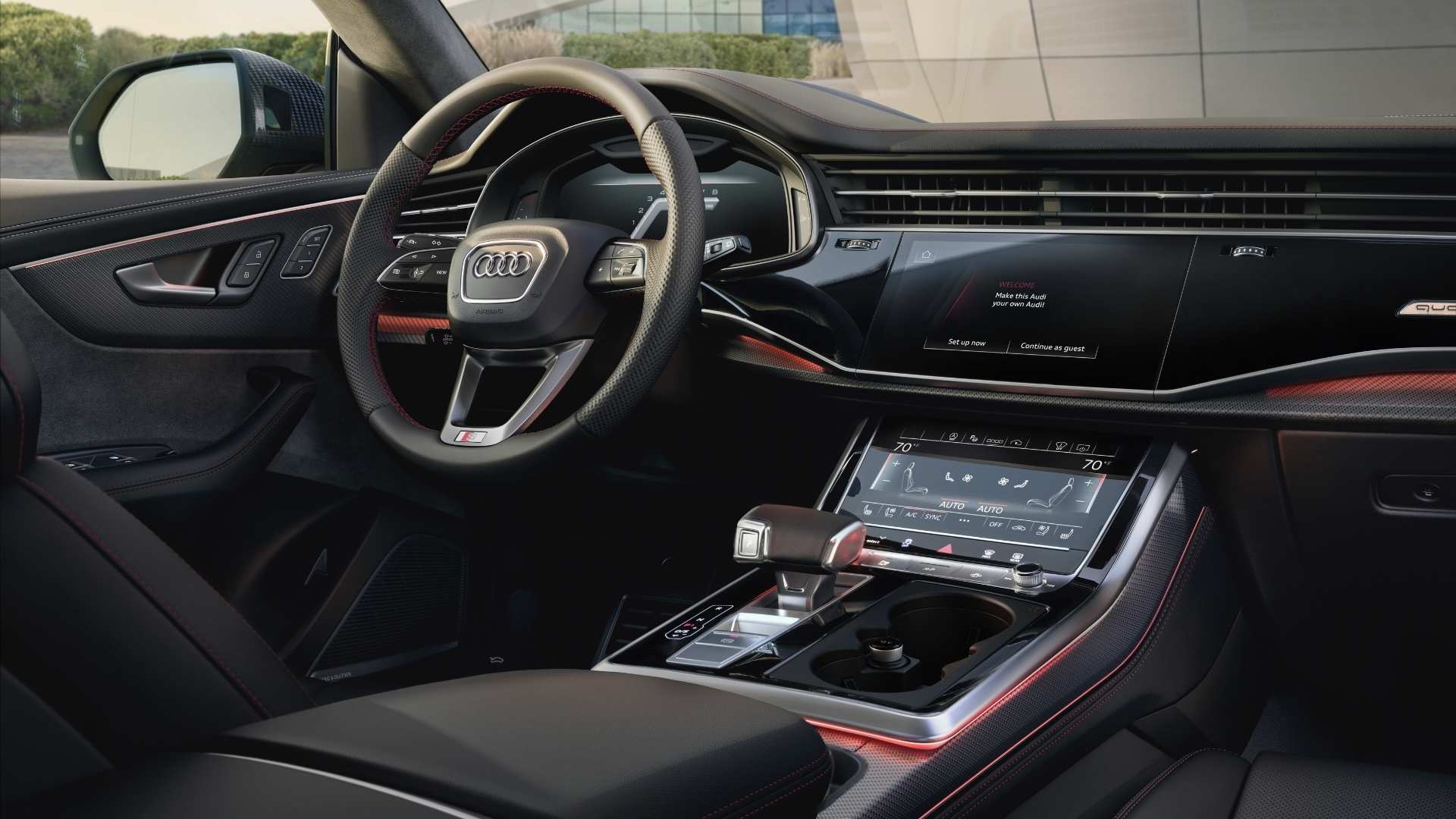
Audi vehicles are engineered with advanced monitoring systems that track hundreds of components in real time. When something needs your attention, the cluster displays a clear icon so you know what is going on. At Audi Salt Lake City, part of the Strong Auto Group, our team has guided drivers across the Wasatch Front for more than 50 years. We know these symbols well, and we want you to feel confident every time one appears.

Why Warning Icons Appear
Warning icons appear for many reasons. A sensor may detect low fluid, a drop in tire pressure, or a system that needs a check. Sometimes the trigger is minor, such as a loose fuel cap. Other times it points to something that needs professional care.
Utah driving adds its own factors. Cold winter mornings in Salt Lake City can affect tire pressure. Steep mountain routes toward Park City or Heber City can put extra demand on brakes and cooling systems. These local conditions make it even more useful to understand what your dashboard is telling you.
Understanding Warning Light Colors
Audi uses a color system that mirrors a traffic light. This makes the meaning easy to grasp at a glance. Red means stop and act now. Yellow or amber means caution and check soon. Green or white means information only.
Knowing this color logic helps you respond calmly and correctly. A green light is rarely a concern. A red light, on the other hand, asks you to pull over safely and address the problem right away. Below is a simple breakdown.
| Color | Meaning | What To Do |
|---|---|---|
| Red | Serious issue or safety risk | Stop safely and seek service |
| Yellow / Amber | Caution, system needs attention | Check soon, schedule service |
| Green | System active and working | No action needed |
| White / Blue | Information or status update | Informational only |
Red Warning Lights
Red lights are the most urgent. They often relate to core safety and mechanical systems. Common examples include the engine temperature warning, the oil pressure symbol, and the brake system alert.
If a red light appears, the safest choice is to slow down, pull over when it is safe, and turn off the engine if needed. Driving with a red warning can cause further damage. When this happens near Salt Lake City, our service team can help you decide the next step quickly.
Yellow and Amber Warning Lights
Yellow and amber lights signal caution rather than an emergency. You can usually keep driving, but you should have the system checked soon. The check engine light, the tire pressure light, and the ABS light often glow in this color.
Many customers wonder how long they can wait after an amber light appears. In most cases, you have time to finish your trip and book service within a few days. Still, prompt attention prevents small problems from becoming larger ones.
Common Audi Warning Icons and Their Meanings
Audi models share a common set of symbols, though the exact display may vary by model year and trim. The table below covers icons drivers see most often. Use it as a quick reference.
| Icon | System | Common Meaning |
|---|---|---|
| Engine outline | Engine management | Check engine, sensor, or emissions issue |
| Oil can | Oil pressure | Low oil level or pressure |
| Thermometer in liquid | Coolant temperature | Engine running too hot |
| Exclamation in circle | Brake system | Low brake fluid or brake fault |
| Flat tire with exclamation | Tire pressure (TPMS) | One or more tires low |
| Battery | Charging system | Battery or alternator concern |
| ABS letters | Anti-lock brakes | ABS needs inspection |
| Steering wheel | Power steering | Steering assist fault |
| Airbag | Restraint system | Airbag system needs a check |
The Check Engine Light
The check engine light is one of the most misunderstood symbols. It looks like an engine outline and usually glows amber. The check engine light indicates that the vehicle detected an issue with the engine, emissions, or a related sensor.
This light can point to something as simple as a loose fuel cap or as involved as an oxygen sensor. Because the range is wide, a proper diagnostic scan is the best way to find the cause. Our factory-trained technicians use genuine Audi diagnostic tools to read the exact code and explain it in plain terms.
The Tire Pressure Light
The tire pressure light shows a flat tire symbol with an exclamation point. It turns on when one or more tires fall below the recommended pressure. This is common during Utah's temperature swings, when a cold night can lower pressure overnight.
Correct tire pressure improves safety, handling, and fuel efficiency. If this light appears, check your tires and add air as needed. If the light stays on after inflation, a sensor or slow leak may be the cause, and a quick inspection can confirm it.
| Situation | Suggested Action | Urgency |
|---|---|---|
| Green or white icon | Continue driving | None |
| Steady amber icon | Schedule service soon | Moderate |
| Flashing amber icon | Reduce power demand, service promptly | High |
| Steady red icon | Pull over safely, seek service | Very high |
| Flashing red icon | Stop as soon as safe | Critical |
How Audi Salt Lake City Helps You Respond With Confidence
Understanding your dashboard is the first step. Acting on it with the right support is the second. Our service center pairs factory-trained expertise with genuine Audi parts and modern diagnostic equipment. This lets us pinpoint the cause of any warning quickly and accurately.
We also make service easy for busy drivers. With a fleet of 60 service loaners and complimentary pickup and delivery for areas like Park City and Heber City, we keep your day moving while we care for your Audi. Scheduling is simple through our online service scheduler, and our advisors keep you informed at every step. This same expertise carries into related topics, such as our companion guide, How To Troubleshoot the Audi Virtual Cockpit Display, which walks you through the digital screen behind these warning icons.
Preventing Warnings Before They Start
Regular maintenance is the best way to reduce surprise warning lights. Following your Audi maintenance schedule keeps fluids fresh, brakes strong, and sensors accurate. Routine care also protects long-term value, which matters whether you plan to keep your Audi for years or explore an upgrade later.
Preventive service is especially valuable in the Intermountain West, where seasonal extremes test every system. A vehicle prepared for both summer heat and mountain winters is far less likely to flash an unexpected alert. Our team can build a maintenance plan that fits your driving habits and local conditions.